
Featuring
Don Beamer, electrician
Right on time
by Austina Reed, PhD
Published: August 14, 2026, 7:30 p.m. ET
Electrician Don Beamer of Wabash, Indiana, notices trees. He sees them in ways other people probably don’t. Trees are networked underground. They’re connected to one another. Their roots are intergenerational. Don’s first job was helping his father split wood; half-a-penny for each piece of firewood. When we interviewed Don, his thoughts about trees told us a lot about the man whose know-how is the electrical field. What Don notices first before anyone else and why he chose his craft as an electrician are revealing about the history of the profession.
“Trees have a certain intelligence to them. There’s a certain magnetism and a certain pattern and natural rhythm. There is a story
they all tell.”
- Don Beamer

Only an electrician knows how to fish wire through a wall, through floors, through joists, connecting it back to the panel box. Electricians can add new outlets and new switches, feature a ceiling fan, and bring power to bathrooms. And it’s all unseen. Some electricians relate the job they do to detective work. They investigate how an outage has occurred, where and why power is not being supplied by the circuit breaker. And they can add nearly anything electrical you need or want changed in your home.
Don is unique in his profession because Don specializes in historical preservation. The way rooms are connected and how appliances are connected: he’s really good at finding the hidden network of wires. His expertise means that he can wire more than just new construction.
Important to homeowners of older properties, Don can preserve existing walls. He can ensure the integrity of a space without having to go to the extreme which involves demolition. Houses are homes, homes hold memories, memories are what provide legacy to a family. It is one industry where puzzling and troubleshooting are the essence of the job. Don walks the same well-traveled road as a great number of great men before him who have shaped the study of electricity.
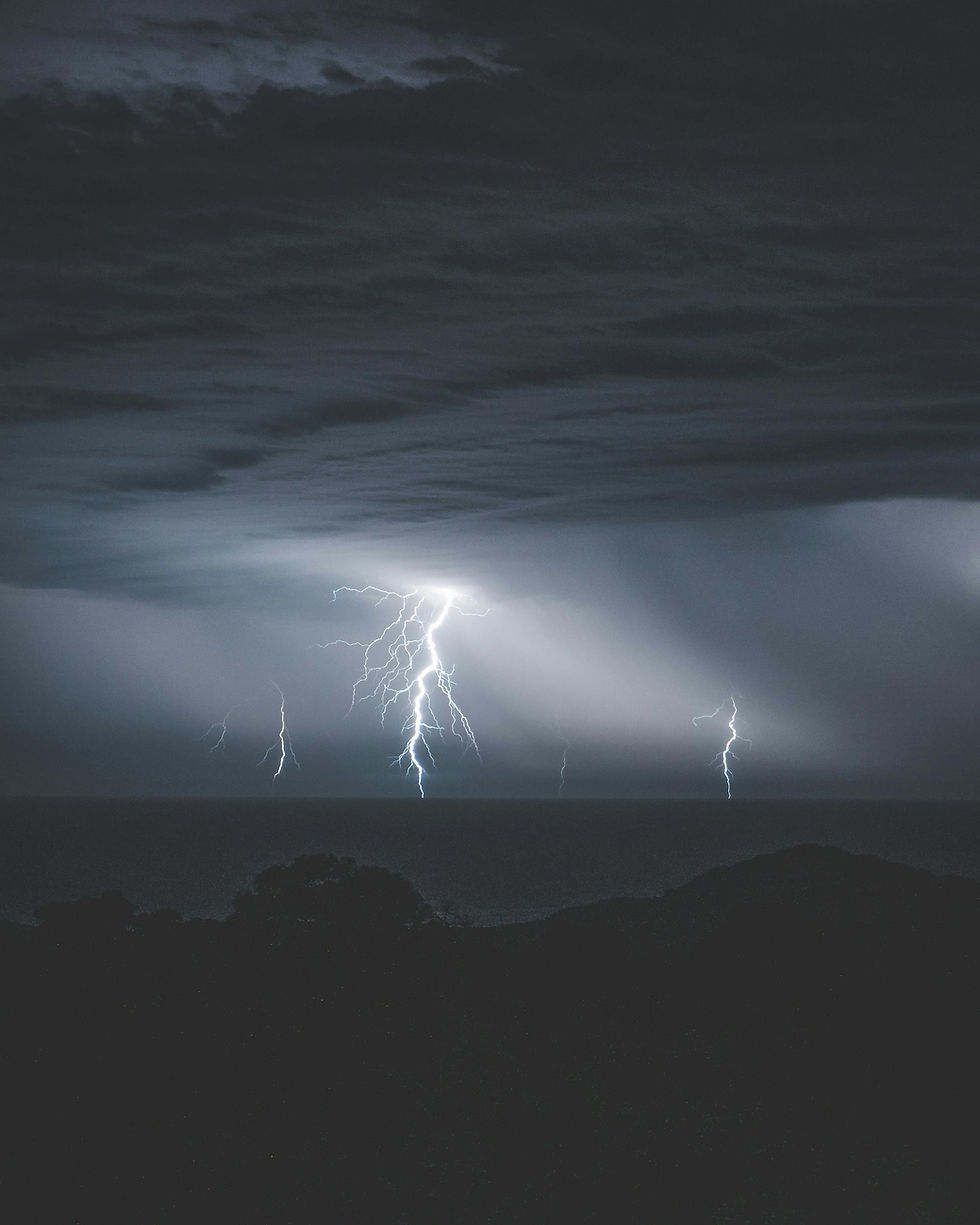
First there was light, then industry
Wabash was the world’s first electrically lighted city in 1880, according to the Indiana Historical Bureau. Electrification across long distances to bring homes, businesses and communities onto an electrical grid propelled the United States into the political, economic, and military powerhouse it is today. For all the attention paid to Edison and Tesla who experimented in the laboratory, who really matters is the electrician.
In the early days of electricity experienced in places like Wabash, electricians were our knights-errant who protected us from darkness and isolation. It was the electrician’s know-how, wrestling the electromagnetic field (EMF) to control the electron’s movement in order to wire power for demand.
By 1890, men enrolled in the country’s first trade schools and training programs to become electricians. Apprentice, journeyman, master: these titles certify levels of achievement. They master a range of skills over years of experience in different settings.
Reliability and safety have long been indicators of wealth-building and nation-building. Households and economies alike function and excel under nearly any condition, even the most adverse, because of the professionalism of the electrician. The efficiency realized to manufacture goods has always been intrinsically linked to the efficiency of harnessing electricity.
In 2024, the U.S. electrical services market was valued at $163 billion, with growth projections heading towards $300 billion by 2034, sourced from Research and Markets (.com) by Yahoo News and other industry news outlets. Energy demand has everyone’s attention.

For what awaits next
Approximately 750,000 electricians are employed nationwide, according to employment data. Industry estimates suggest a shortfall of anywhere between 300,000 and 1.5 million electricians who will be needed over the next 25 years. Consider, by comparison, the country’s largest employer by major industry is education and health services: some 30 million people. There are another 15 million people working in government jobs — the majority of which are filled locally.
In Indiana, there are roughly 5 electricians for every 1,000 local jobs, according to 2026 industry data published by Consumers Affairs (.com) sourcing U.S. Bureau of Labor Statistics.
Don is an inside wireman and a project manager for residential, commercial, and industrial projects. He connects a building’s electrical components — conduits, raceways, cables, lighting, outlets, electrical panels, control systems — to the power source. Like wiring for new construction, known as the rough-in phase before the drywall is installed. Or inspecting, testing, and rewiring before, during, and after electrical upgrades required by law.
Public safety really does owe its genesis to electricians. They have been involved in code-making for well over 100 years. The National Electrical Code (NEC) was first adopted in 1897. Its role is to standardize safe electrical practices. Every three years, the NEC is updated to address changes in electrical design and installation. The NEC is not federal law but it is enforced in all 50 states through a collection of ordinances, regulations, and minimum standards known as building codes.
The electrician is one of the last to sign off on having complied with electrical codes which then allows municipal building departments to issue permits and certificates of occupancy. Enforcement is simply the way to know that hi-tech development in energy use will stand up to time; that it remains reliable, efficient, and safe for the public to use on a daily basis year after year is paramount.
Don describes it this way: “There is always something to learn, there is always something to tease your brain. There’s always some problem to solve; some new frontier or concept that I have not quite seen or not quite understood, or has come back around after years and years of not seeing something like that.”

Making old (almost) new again
An electrician of Don’s caliber who is technically adept at historical preservation and restoration is unique in the electrical trade. To be in the presence of Don as he works on old buildings along Indiana’s U.S. Route 24 is like watching a philosopher-turned-guildsman in action.
Don is thoughtful, he is precise, he is economical; all of which is absolutely necessary if historical buildings to be efficient, safe, and affordable.
“I enjoy figuring out a puzzle backwards whereas a lot of people can’t stand the troubleshooting. They enjoy something straightforward, very planned and rigorous and regimental. I enjoy working with something that’s a total disaster and I want to rehabilitate it — somehow fix it if it’s possible.”
It is highly-skilled know-how to remove 150-year-old knob-and-tube wiring, or to repurpose 100-year-old rigid metal conduit without damaging the 80-year-old plaster walls. Each generation boasts something hi-tech, until it’s not, and so it has to be upgraded or replaced. Some 30 percent of housing stock in Wabash County, for example, is approaching 100 years old; the same for the surrounding communities along U.S. 24 in Huntington, Miami, Cass, White, Jasper and Newton Counties, according to real estate data.
It is no coincidence that the oldest structures are found on the oldest highways, as U.S. Route 24 is. They are our Main Streets. These buildings have been anchors for homeownership and small business. Many of them have been held by families, passed from one generation to the next, over 50 years. The structures need electrical upgrades; the owners want them to be preserved.
Don is apt to take this type of service call every time. He is making his own lasting contributions to the trade in the two decades since he attended Indiana University. He has worked in other states, but his expertise has been sharpened in his hometown of Wabash.
“There is a certain way I can relate to the world and a certain way that I feel like I go out everyday and try to somehow make a difference. It seems like it’s just another tiny grain of sand that’s dropped through the hourglass," Don said. "You try to use what tools you have that day and try to somehow make a difference without the thought of your own self-interest or benefits affecting that directly.”
Don’s eye for artistry and his contributions to the original work, this is what makes him also a craftsman. The craftsman creates. It sets apart Don from other electricians. He sees the big picture that historical preservation requires if communities are to keep their oldest structures rather than demolishing them for landfill. Don has a knack for making electrical upgrades a part of the old structure. It’s not only that he is harnessing electricity’s flow in the circuitry he lays; he is also acknowledging the craftsmen of bygone eras and the future ones waiting in the wings.

Grounded, this electrician’s outlook
Don is hopeful about the next generation in the same way he is respectful of the previous generation’s know-how. “One thing that really stuck with me: the education they (young people) have received – real world education – the way they have forged the world. They have the major traits for success in the 21st century. Adaptability, being able to admit your wrong, try something another way. With technology it’s a must, not taking something personal, even if you’re doing it wrong, and stepping back (to assess and correct). My son’s generation has taught me to be lighthearted. They are very good collaborators, working together, trying to value other people.”
These same characteristics Don attributes to the next generation are the same ones that made past tradesmen and craftsmen remarkable. “(H)ow thoughtful they (were) as a builder or carpenter or tradesman, some of them (had) very impressive buildings they worked on, some of the mistakes they made (they have been) humble enough to shrug shoulders at the mistake. You have to accept it.”
The word electric — the root of the word electricity — comes from the Greek elektron described by one of the seven Sages around 600 B.C.E. The philosopher Thales of Miletus was the first to observe static electricity by rubbing fur against the fossilized resin from ancient trees. Elektron translated into English means amber. In some cultures, amber is considered precious because it is a conduit of electricity. It has come to symbolize warmth, protection, renewal, and ancient knowledge.
A theme runs through Don’s interview with us. It’s what makes his definition of know-how memorable: Puzzling has a far greater purpose when it involves intergenerational dialog. “I would imagine everyone has — everybody finds, I believe — their own genius. They end up understanding the world the only way they can understand it — through their own personal trials and tribulations. Somehow they have a certain genius that nobody can take away from them, usually through trial by fire, they’ve had to survive, they’ve had to master a problem in their life, it doesn’t really matter what it is, it doesn’t matter how high a level of education or how many years of experience. I believe most people can figure out how to, that’s how I describe know-how.”
On Don’s days off, he walks the forests Wabash is known for, those which follow the area’s rivers. He pauses often to ground himself. His life’s work is a reminder to the rest of us that electricity is present everywhere all the time, there are these invisible areas of energy that surround us because we are constantly using power, and an important part of electricity’s cycle is releasing stored energy when the conditions are right.
Don is the one to point out that nature seeks and rewards balance. “I’m usually watching the trees and, if anything, the trees have a certain intelligence to them and a certain — of course they obviously have a natural beauty — but there’s a certain magnetism and a certain pattern and natural rhythm. There is a story they all tell.
"Forest bathing, I believe (the term) is translated from Japanese, basically in the canopy, there’s a natural energy. I still don’t quite understand, but it always seems to soothe anything that is going on in my life.”
Thank you for reading!
Presented by
